A ship that sank in minutes and changed history for centuries
The Vasa is not only a naval artifact - it is a vivid record of politics, craftsmanship, technology, and human lives in early modern Sweden.
Table of Contents
Sweden in the age of great power
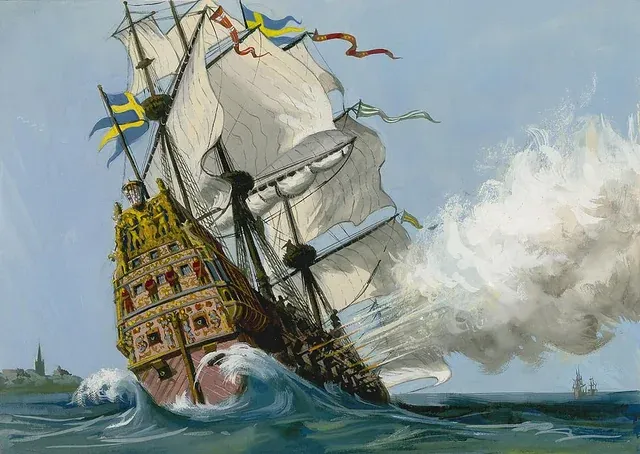
To understand Vasa, it helps to imagine Sweden in the early 1600s: ambitious, expanding, and eager to prove itself among Europe's major powers. The Baltic Sea was not only a trade route but a strategic stage where influence, wealth, and military credibility were constantly negotiated. Kings, admirals, merchants, and diplomats all knew that sea power could shape the future of a kingdom. In this climate, warships were not merely practical machines. They were floating symbols of authority, designed to intimidate enemies, reassure allies, and project confidence far beyond the capital's shoreline.
Stockholm itself was transforming, with shipyards, artisans, and suppliers tied to a growing naval ecosystem. Timber arrived from forests, iron from mines, hemp for ropes, tar for waterproofing, and skilled labor from both local and international backgrounds. The city that modern visitors know for design and livability was, in that era, also a place of military urgency and industrial intensity. The Vasa emerged from this world - not as an isolated marvel, but as the product of a kingdom trying to secure its place in a turbulent century. Every beam and cannon reflects that political pressure.
Why King Gustav II Adolf wanted Vasa
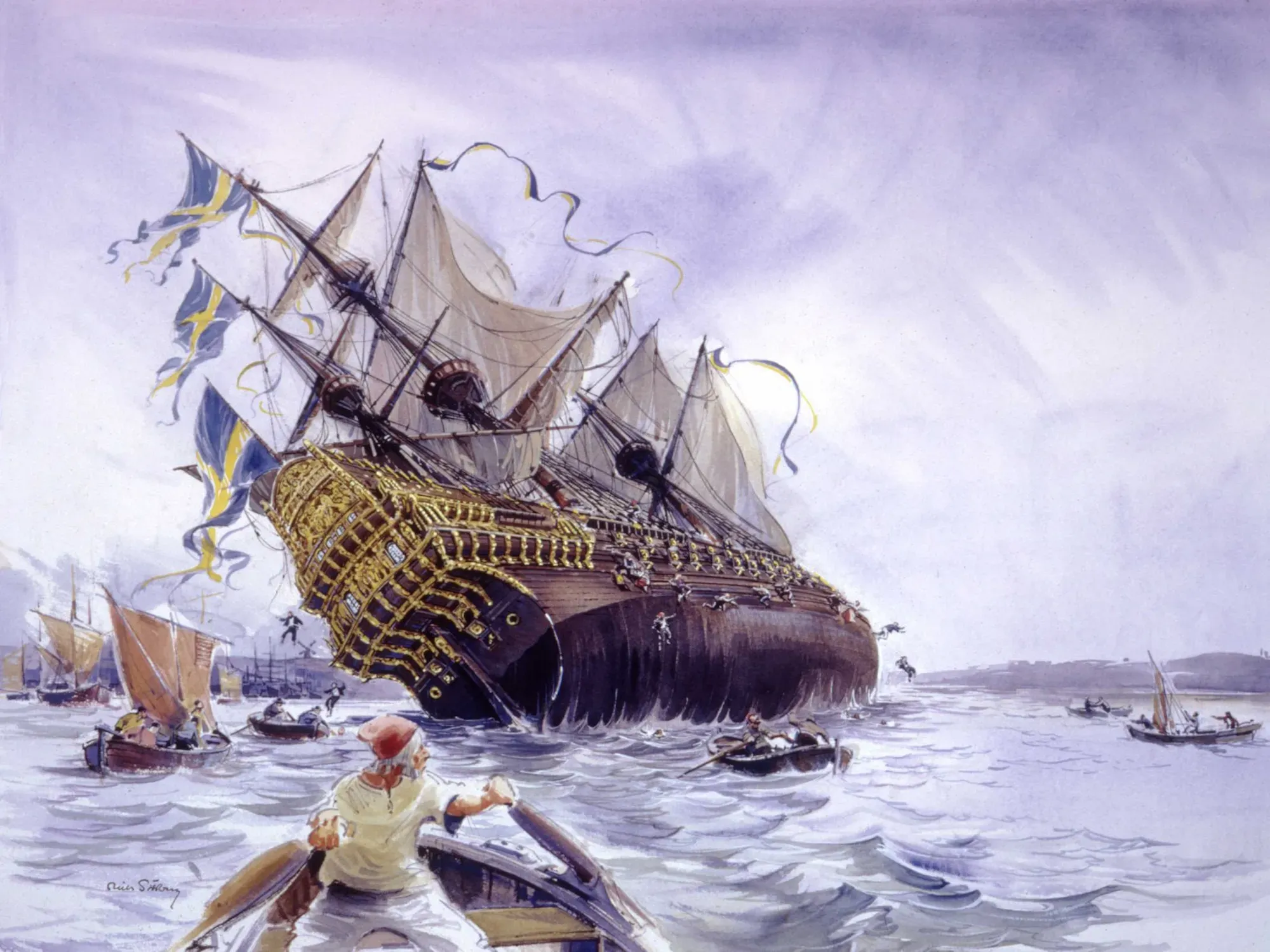
King Gustav II Adolf envisioned a strong navy capable of defending Swedish interests and deterring rivals in the Baltic region. His reign coincided with major continental conflicts, and maritime capability was critical to troop movement, logistics, and strategic messaging. The Vasa was intended to be a prestigious flagship with heavy armament and striking decoration - a vessel meant to communicate both military strength and dynastic grandeur. In modern terms, it was part war machine, part diplomatic statement, and part national branding project.
This ambition, however, came with technical risk. Design expectations evolved during construction, and pressure to deliver quickly remained high. More guns, more height, more ornament, more status - each requirement made the ship more impressive on paper, but also more vulnerable in practice if stability margins were not preserved. The Vasa story is therefore not only about shipbuilding; it is about how power can accelerate decision-making, compress caution, and produce consequences that no one intends but everyone must later explain.
Design, decoration and shipyard life
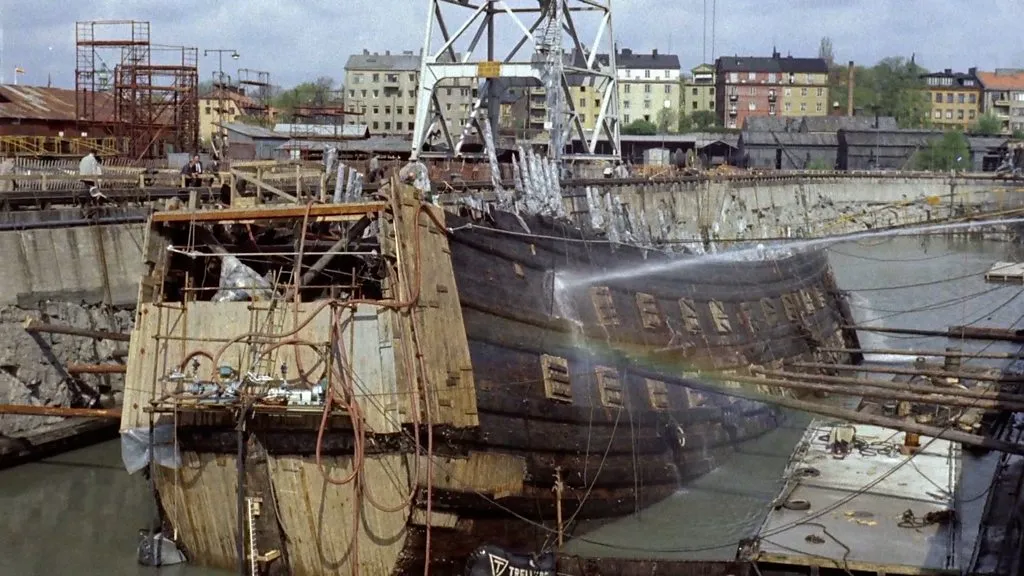
One of the most fascinating aspects of Vasa is that it was both a combat vessel and a masterpiece of visual storytelling. Its stern and upper structures were covered in carved sculptures: lions, biblical themes, imperial imagery, and symbols crafted to impress viewers at a distance. These figures were once painted in bright colors, creating a vivid appearance far from the dark oak tone we associate with the ship today. The decorative program was intentional propaganda, turning the hull into a floating political narrative.
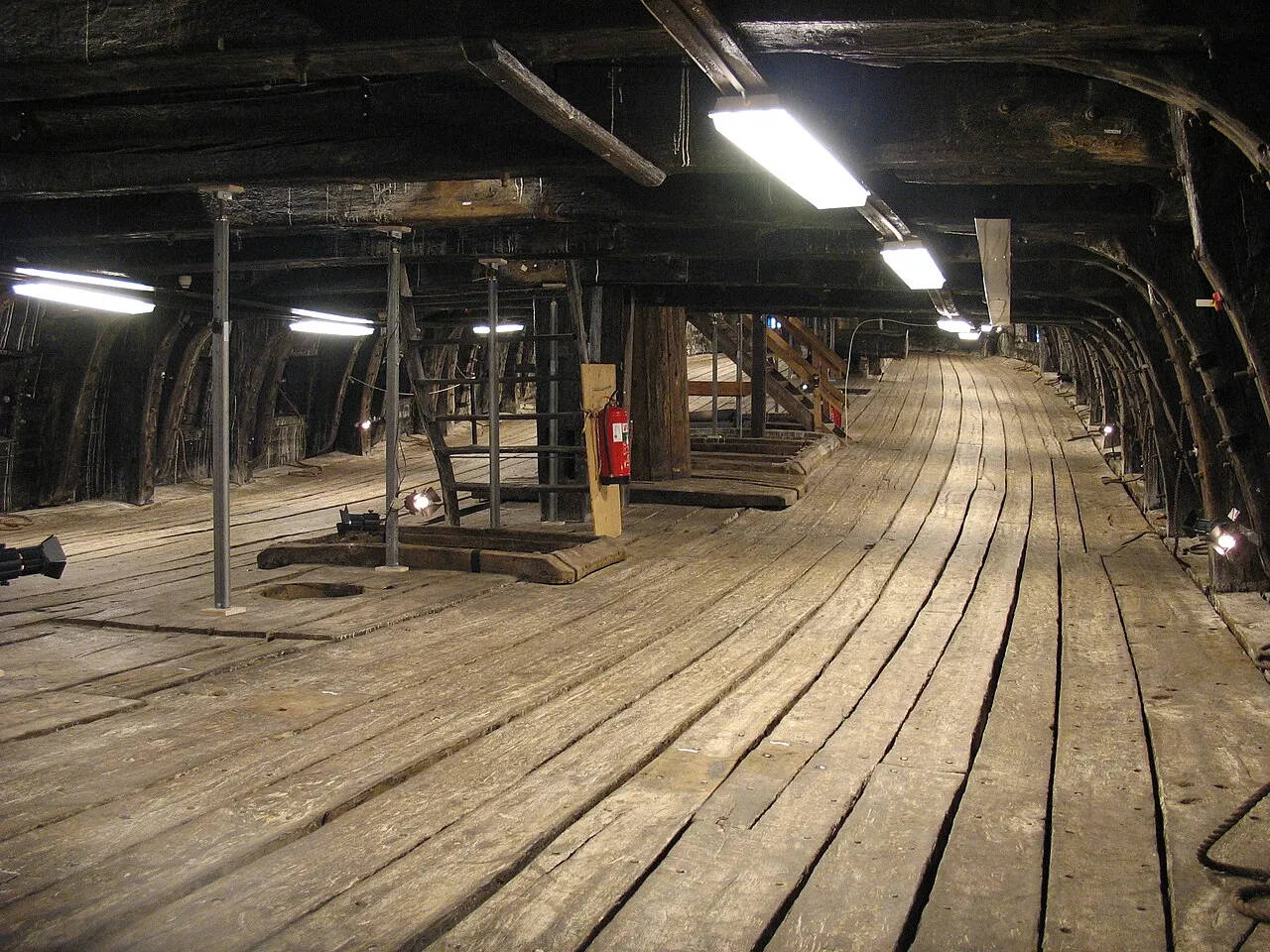
Behind that spectacle stood a complex labor world. Shipwrights, blacksmiths, carpenters, sailmakers, rope-makers, and artists worked in coordination under demanding timelines. Their techniques mixed inherited craft traditions with evolving naval design knowledge. Walking through the museum's interpretive spaces, you begin to appreciate the shipyard as an ecosystem of expertise and pressure, where practical compromises, resource constraints, and hierarchical command all influenced final outcomes. The Vasa preserves not only royal vision, but also the fingerprints of countless workers whose names are less famous yet equally essential.
The launch day catastrophe in 1628
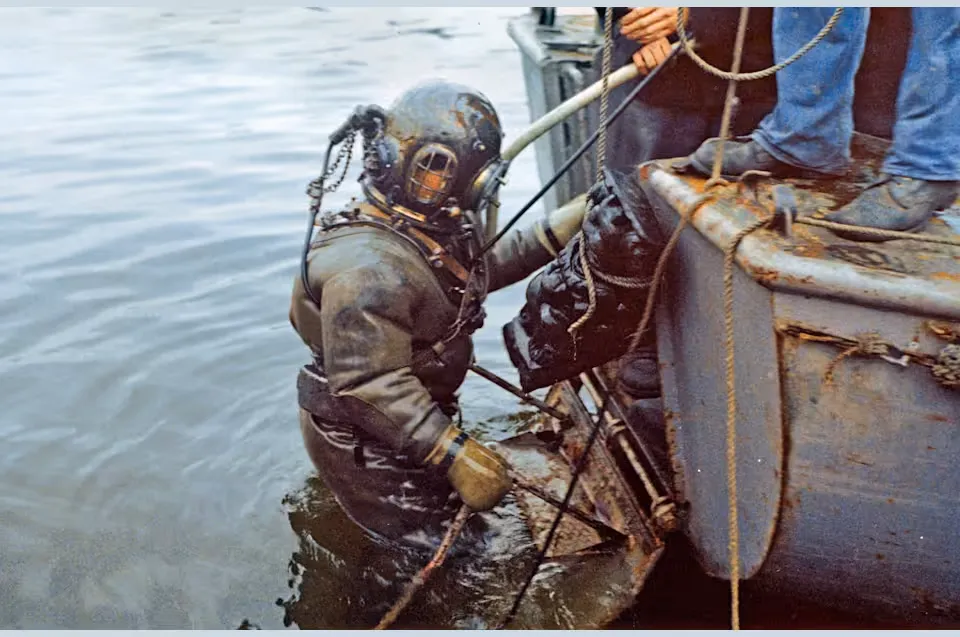
On 10 August 1628, Vasa set out from Stockholm harbor under public attention and ceremonial expectation. It had barely begun its maiden voyage when a gust of wind caught the sails. The ship heeled, recovered briefly, then heeled again. Water entered through open gun ports, and within minutes the vessel sank in full view of the city. The disaster was sudden, shocking, and politically awkward. A flagship intended to symbolize competence became an emblem of failure almost instantly.
Investigations followed, but responsibility proved difficult to assign cleanly. Technical limits, evolving specifications, chain-of-command pressures, and institutional incentives all played a role. For modern visitors, this episode feels strikingly contemporary: a high-profile project pushed by ambition, constrained by deadlines, and vulnerable to systemic blind spots. The tragedy also had a human cost, with lives lost and families affected. In the museum context, the sinking is not treated as spectacle alone; it is explored as a lesson in accountability, complexity, and the price of overconfidence.
Centuries beneath the Baltic Sea
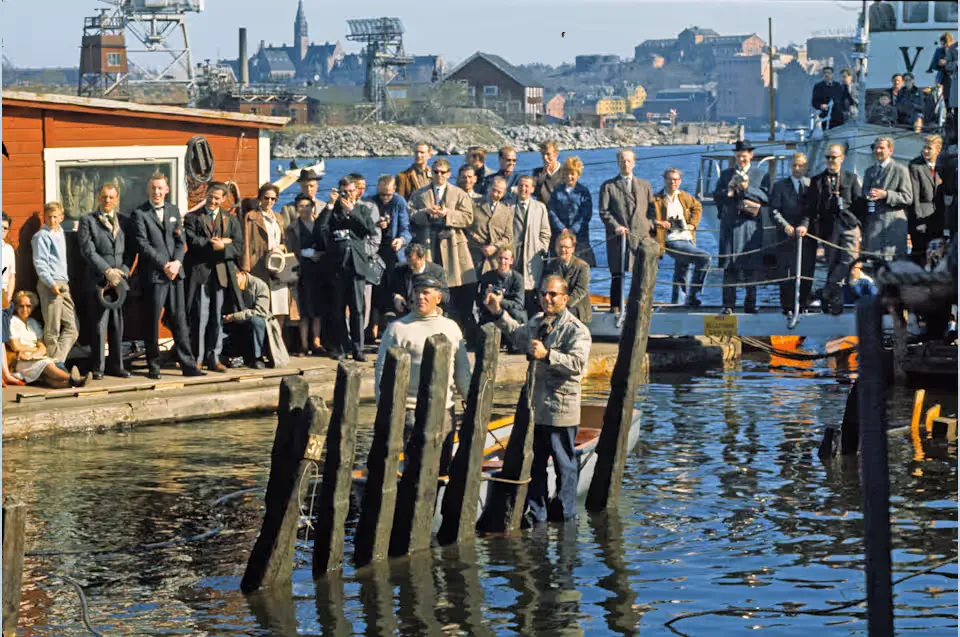
After sinking, Vasa settled in the cold, low-salinity waters of the Baltic, where conditions were unusually favorable for preservation. In many other seas, shipworm would have consumed the timber over time, but here the hull survived in extraordinary condition. For generations, the ship lay mostly forgotten in the harbor mud, while Stockholm evolved above it through changing monarchies, technologies, and urban landscapes. The idea that such a large and ornate vessel remained below the waterline for centuries sounds almost mythic, yet it is entirely real.
A few cannons were salvaged in the 17th century, but the main structure stayed where it had fallen. That long underwater silence is part of what makes Vasa so powerful today. The ship did not survive because people planned a museum future for it; it survived because geography, chemistry, and circumstance aligned in rare ways. In that sense, every preserved plank represents both human history and environmental luck. The Baltic did not just hide the ship; it unintentionally guarded it.
The search and raising of Vasa
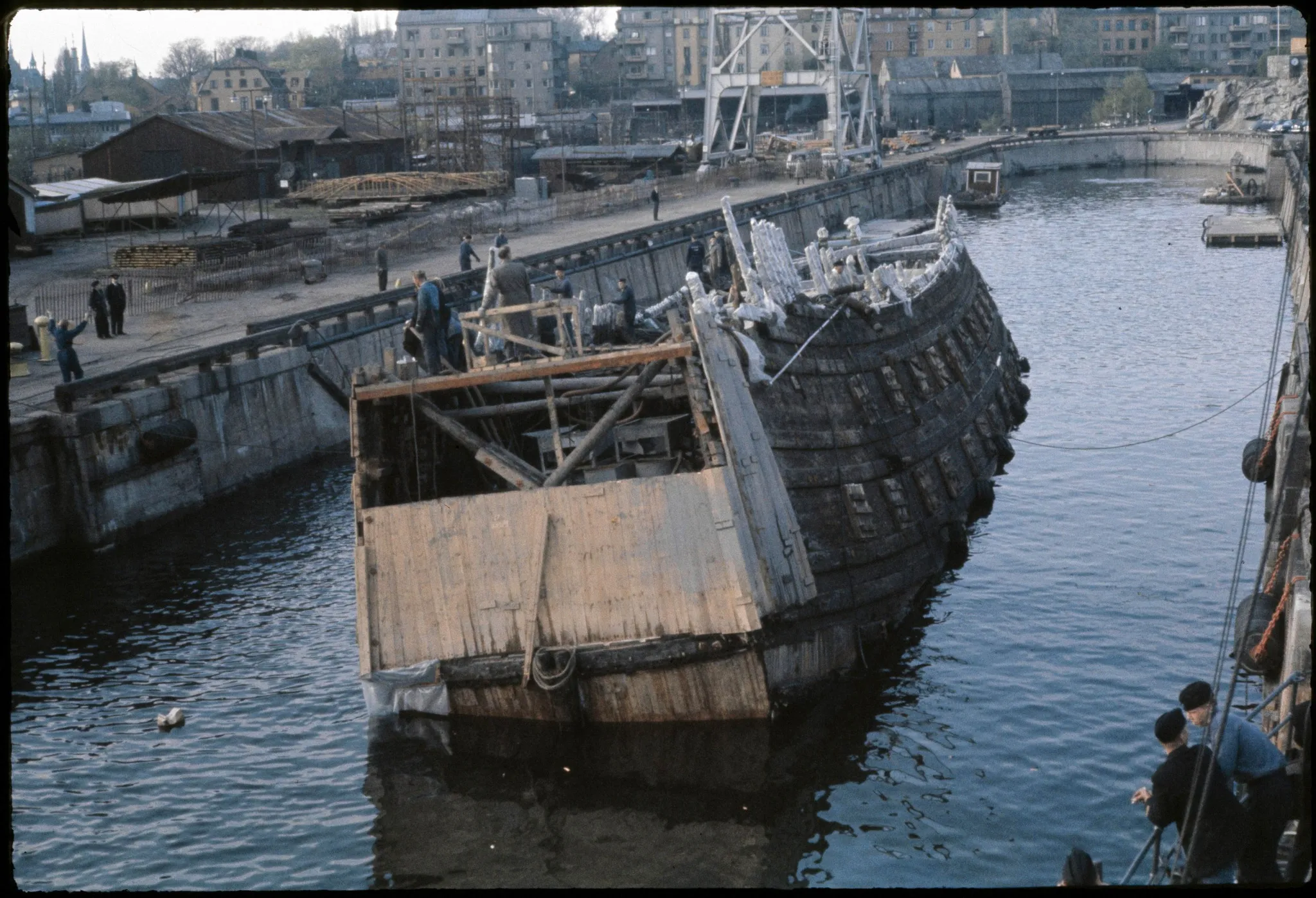
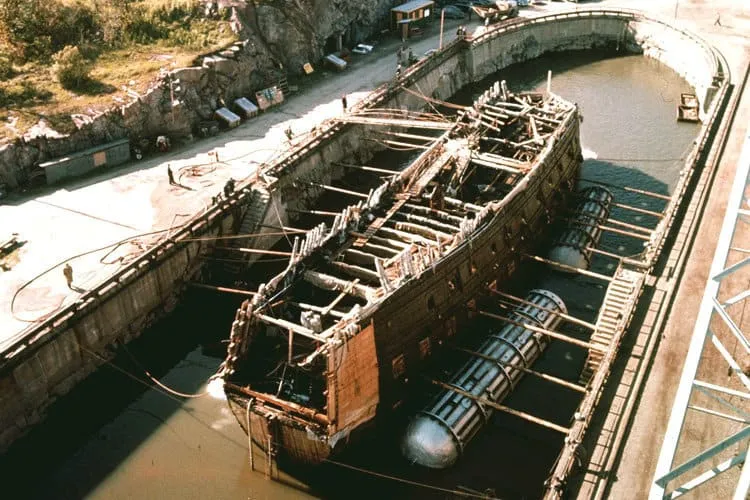
In the 20th century, renewed interest in the ship led to one of the most ambitious marine recovery efforts ever attempted. Researcher Anders Franzen played a central role in locating Vasa, and once identified, the project moved from discovery to logistics on an enormous scale. Engineers, divers, archaeologists, naval experts, and planners collaborated to lift the hull safely. Tunnels were created under the ship, steel cables threaded through, and a sequence of controlled lifts gradually brought Vasa closer to the surface.
When the ship was raised in 1961, it was a national and international sensation. Crowds followed updates, newspapers covered each stage, and the operation became part technical achievement, part collective emotional event. Yet raising the ship was only the beginning. Once exposed to air, waterlogged wood faced new threats. The triumph of recovery immediately transitioned into the marathon of preservation. This handover from engineering drama to scientific patience is one of the most compelling chapters in the entire Vasa narrative.
Conservation: saving waterlogged wood
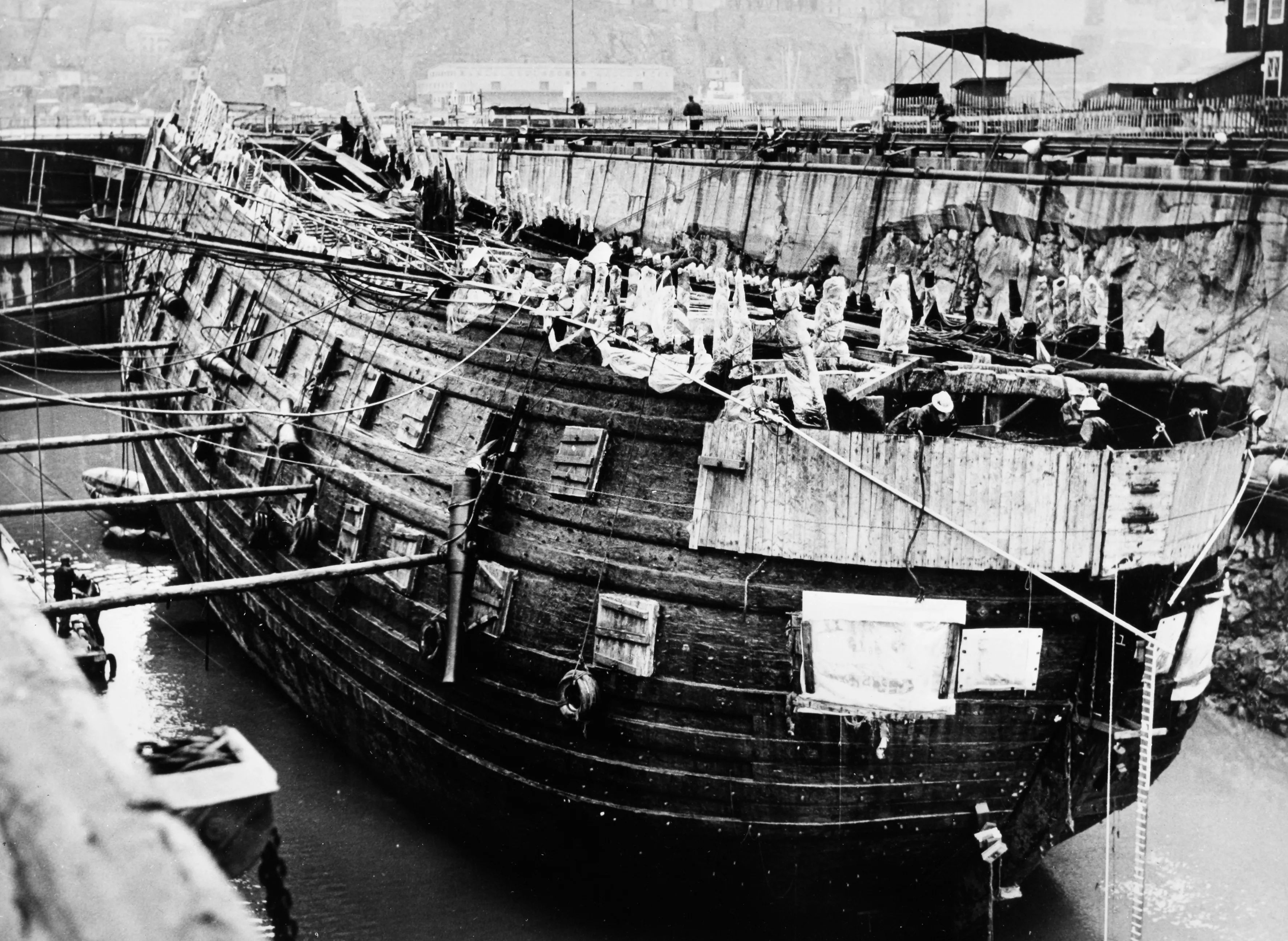
Many visitors are surprised to learn that the museum's core story is as much about chemistry as it is about naval history. After the raising, conservators spent decades treating the ship with polyethylene glycol, a stabilizing substance that gradually replaced water in the wood's cellular structure. This process required precision, time, and relentless monitoring. Conservation was not a one-time intervention but a long-term commitment spanning generations of scientists and specialists.
Even today, preservation work continues through climate control, material analysis, and structural monitoring. The museum is, in effect, both a public cultural space and an active scientific environment. This dual identity gives the visit unusual depth: you are not looking at a frozen past, but at an evolving relationship between artifact and expertise. The Vasa survives because people continue to care for it every day, translating research into stewardship and stewardship into public memory.
Life on board and the people of Vasa

It is easy to focus on kings and battles, but the museum also restores attention to ordinary individuals connected to the ship. Crew members came from different social backgrounds and performed physically demanding work in cramped, risky conditions. Through recovered objects, skeletal analysis, and archival study, researchers have reconstructed aspects of diet, health, labor, and daily routines. These findings make the ship more than a military artifact - they make it a social document.
The human remains and personal belongings linked to Vasa invite respectful reflection. Behind strategy and symbolism were real lives, ambitions, fears, and relationships. This perspective deepens the emotional weight of the museum: the sinking was not only a technical event but also a personal tragedy. By giving attention to individuals rather than abstractions, the exhibitions help visitors connect across four centuries in a way that feels intimate rather than distant.
Myths, facts and ongoing research
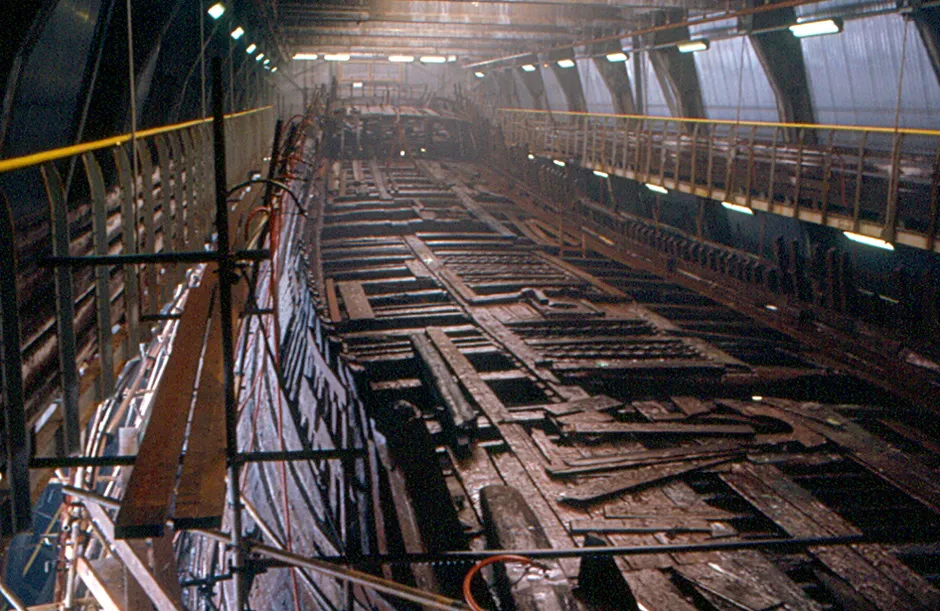
Because Vasa is so famous, myths naturally surround it. Some stories simplify the reasons for the sinking into a single mistake, but the reality is more layered. Stability, command pressure, design evolution, and period constraints all interacted. Museum interpretation continues to evolve as new evidence appears, and this willingness to refine conclusions is part of what makes the institution intellectually credible.
Research on Vasa touches multiple fields: maritime archaeology, wood science, forensic reconstruction, military history, and art history. Each discipline contributes a different lens, and together they produce a richer understanding than any single narrative could provide. For visitors, this means the museum is not static. Return visits can reveal updated interpretations, new displays, and better questions - proof that even a 17th-century ship can continue generating new knowledge in the 21st century.
How the museum was created
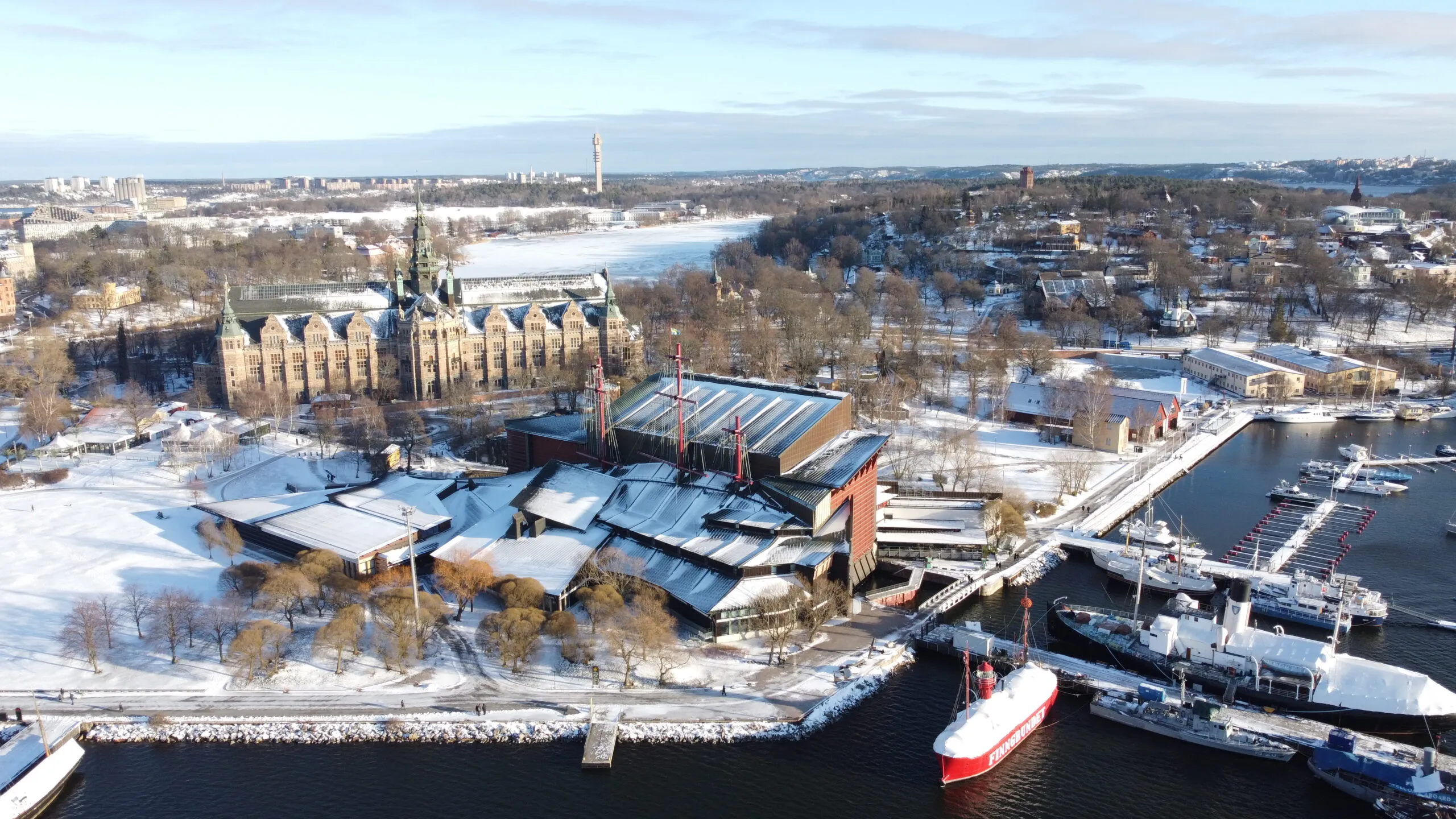
Before the current purpose-built museum opened, Vasa was housed in temporary facilities while conservation progressed. As public interest grew, planners developed a permanent home capable of balancing access, preservation, and interpretation. The resulting museum architecture was shaped around the ship's scale and fragility, using controlled lighting and climate systems to protect the artifact while still giving visitors dramatic views from different heights.
This curatorial design turns movement through the building into part of the storytelling. You do not see the ship in one instant; you discover it layer by layer. The museum's galleries frame the vessel as both object and protagonist, while supporting exhibitions provide context that prevents the experience from becoming superficial. It is an example of how architecture, science, and historical narrative can work together to produce deep public engagement.
Vasa and Swedish identity today
For many Swedes, Vasa sits at the intersection of pride and humility. Pride, because the ship and its recovery represent world-class craftsmanship, scholarship, and conservation leadership. Humility, because the original sinking reminds us that prestige projects can fail when complexity is underestimated. This dual meaning gives Vasa unusual cultural durability: it supports celebration without requiring historical simplification.
Internationally, the museum has become one of Scandinavia's most recognized cultural landmarks, helping visitors engage with Swedish history beyond stereotypes. It also demonstrates how nations can preserve difficult or ambiguous heritage responsibly, presenting both achievement and error with clarity. In that sense, Vasa functions as a civic mirror: it reflects what a society chooses to remember, question, and teach.
What to notice during your visit
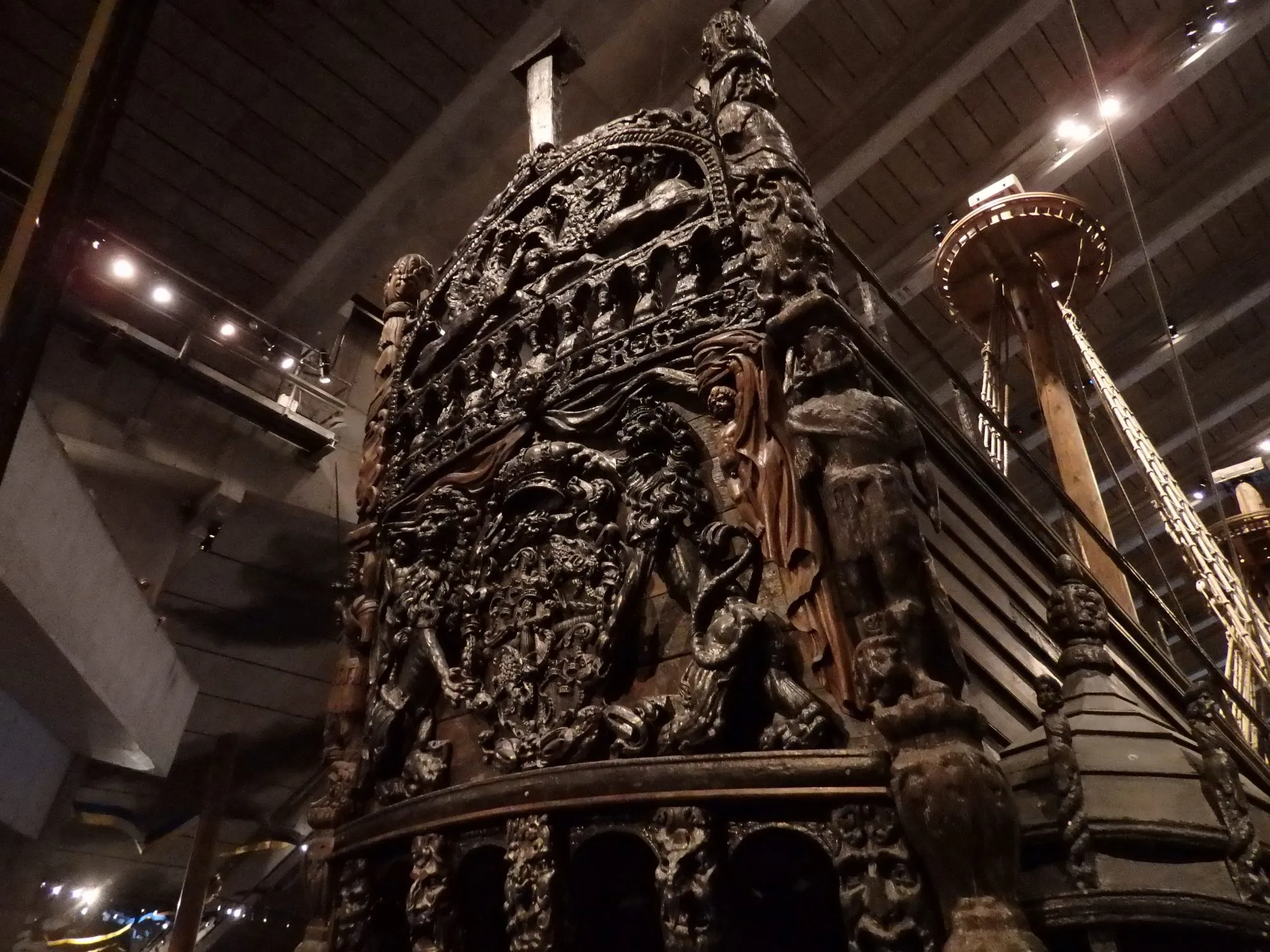
When you explore the museum, look closely at the stern carvings and decorative motifs. They are not random ornament - they were designed to communicate status, ideology, and royal legitimacy. Also pay attention to the ship's proportions and gun deck arrangement, because these visual details help explain why stability became such a challenge. Seeing the technical and symbolic dimensions together makes the story far more coherent.
If time allows, combine your walk around the ship with film screenings or guided commentary. The context you gain from those resources will sharpen what you notice physically on the hull. Many visitors leave saying they expected a single dramatic object but discovered a complete historical ecosystem. That shift in perception is one of the museum's greatest strengths.
Why Vasa still speaks to modern travelers
Vasa remains compelling because it tells a story that feels timeless: ambition, innovation, pressure, miscalculation, loss, and eventual rediscovery. It is about how societies build symbols of confidence, how systems can fail despite expertise, and how later generations try to learn from what was left behind. Very few museums combine this level of historical drama with such direct material authenticity.
For travelers, the experience lingers because it connects large themes with tangible evidence. You are not reading about an abstract event; you are standing in front of the ship itself, looking at wood shaped by hands from another century. That proximity creates perspective. It reminds us that history is not distant - it is continuous, fragile, and always in conversation with the present.
Table of Contents
Sweden in the age of great power
To understand Vasa, it helps to imagine Sweden in the early 1600s: ambitious, expanding, and eager to prove itself among Europe's major powers. The Baltic Sea was not only a trade route but a strategic stage where influence, wealth, and military credibility were constantly negotiated. Kings, admirals, merchants, and diplomats all knew that sea power could shape the future of a kingdom. In this climate, warships were not merely practical machines. They were floating symbols of authority, designed to intimidate enemies, reassure allies, and project confidence far beyond the capital's shoreline.
Stockholm itself was transforming, with shipyards, artisans, and suppliers tied to a growing naval ecosystem. Timber arrived from forests, iron from mines, hemp for ropes, tar for waterproofing, and skilled labor from both local and international backgrounds. The city that modern visitors know for design and livability was, in that era, also a place of military urgency and industrial intensity. The Vasa emerged from this world - not as an isolated marvel, but as the product of a kingdom trying to secure its place in a turbulent century. Every beam and cannon reflects that political pressure.
Why King Gustav II Adolf wanted Vasa
King Gustav II Adolf envisioned a strong navy capable of defending Swedish interests and deterring rivals in the Baltic region. His reign coincided with major continental conflicts, and maritime capability was critical to troop movement, logistics, and strategic messaging. The Vasa was intended to be a prestigious flagship with heavy armament and striking decoration - a vessel meant to communicate both military strength and dynastic grandeur. In modern terms, it was part war machine, part diplomatic statement, and part national branding project.
This ambition, however, came with technical risk. Design expectations evolved during construction, and pressure to deliver quickly remained high. More guns, more height, more ornament, more status - each requirement made the ship more impressive on paper, but also more vulnerable in practice if stability margins were not preserved. The Vasa story is therefore not only about shipbuilding; it is about how power can accelerate decision-making, compress caution, and produce consequences that no one intends but everyone must later explain.
Design, decoration and shipyard life
One of the most fascinating aspects of Vasa is that it was both a combat vessel and a masterpiece of visual storytelling. Its stern and upper structures were covered in carved sculptures: lions, biblical themes, imperial imagery, and symbols crafted to impress viewers at a distance. These figures were once painted in bright colors, creating a vivid appearance far from the dark oak tone we associate with the ship today. The decorative program was intentional propaganda, turning the hull into a floating political narrative.
Behind that spectacle stood a complex labor world. Shipwrights, blacksmiths, carpenters, sailmakers, rope-makers, and artists worked in coordination under demanding timelines. Their techniques mixed inherited craft traditions with evolving naval design knowledge. Walking through the museum's interpretive spaces, you begin to appreciate the shipyard as an ecosystem of expertise and pressure, where practical compromises, resource constraints, and hierarchical command all influenced final outcomes. The Vasa preserves not only royal vision, but also the fingerprints of countless workers whose names are less famous yet equally essential.
The launch day catastrophe in 1628
On 10 August 1628, Vasa set out from Stockholm harbor under public attention and ceremonial expectation. It had barely begun its maiden voyage when a gust of wind caught the sails. The ship heeled, recovered briefly, then heeled again. Water entered through open gun ports, and within minutes the vessel sank in full view of the city. The disaster was sudden, shocking, and politically awkward. A flagship intended to symbolize competence became an emblem of failure almost instantly.
Investigations followed, but responsibility proved difficult to assign cleanly. Technical limits, evolving specifications, chain-of-command pressures, and institutional incentives all played a role. For modern visitors, this episode feels strikingly contemporary: a high-profile project pushed by ambition, constrained by deadlines, and vulnerable to systemic blind spots. The tragedy also had a human cost, with lives lost and families affected. In the museum context, the sinking is not treated as spectacle alone; it is explored as a lesson in accountability, complexity, and the price of overconfidence.
Centuries beneath the Baltic Sea
After sinking, Vasa settled in the cold, low-salinity waters of the Baltic, where conditions were unusually favorable for preservation. In many other seas, shipworm would have consumed the timber over time, but here the hull survived in extraordinary condition. For generations, the ship lay mostly forgotten in the harbor mud, while Stockholm evolved above it through changing monarchies, technologies, and urban landscapes. The idea that such a large and ornate vessel remained below the waterline for centuries sounds almost mythic, yet it is entirely real.
A few cannons were salvaged in the 17th century, but the main structure stayed where it had fallen. That long underwater silence is part of what makes Vasa so powerful today. The ship did not survive because people planned a museum future for it; it survived because geography, chemistry, and circumstance aligned in rare ways. In that sense, every preserved plank represents both human history and environmental luck. The Baltic did not just hide the ship; it unintentionally guarded it.
The search and raising of Vasa
In the 20th century, renewed interest in the ship led to one of the most ambitious marine recovery efforts ever attempted. Researcher Anders Franzen played a central role in locating Vasa, and once identified, the project moved from discovery to logistics on an enormous scale. Engineers, divers, archaeologists, naval experts, and planners collaborated to lift the hull safely. Tunnels were created under the ship, steel cables threaded through, and a sequence of controlled lifts gradually brought Vasa closer to the surface.
When the ship was raised in 1961, it was a national and international sensation. Crowds followed updates, newspapers covered each stage, and the operation became part technical achievement, part collective emotional event. Yet raising the ship was only the beginning. Once exposed to air, waterlogged wood faced new threats. The triumph of recovery immediately transitioned into the marathon of preservation. This handover from engineering drama to scientific patience is one of the most compelling chapters in the entire Vasa narrative.
Conservation: saving waterlogged wood
Many visitors are surprised to learn that the museum's core story is as much about chemistry as it is about naval history. After the raising, conservators spent decades treating the ship with polyethylene glycol, a stabilizing substance that gradually replaced water in the wood's cellular structure. This process required precision, time, and relentless monitoring. Conservation was not a one-time intervention but a long-term commitment spanning generations of scientists and specialists.
Even today, preservation work continues through climate control, material analysis, and structural monitoring. The museum is, in effect, both a public cultural space and an active scientific environment. This dual identity gives the visit unusual depth: you are not looking at a frozen past, but at an evolving relationship between artifact and expertise. The Vasa survives because people continue to care for it every day, translating research into stewardship and stewardship into public memory.
Life on board and the people of Vasa
It is easy to focus on kings and battles, but the museum also restores attention to ordinary individuals connected to the ship. Crew members came from different social backgrounds and performed physically demanding work in cramped, risky conditions. Through recovered objects, skeletal analysis, and archival study, researchers have reconstructed aspects of diet, health, labor, and daily routines. These findings make the ship more than a military artifact - they make it a social document.
The human remains and personal belongings linked to Vasa invite respectful reflection. Behind strategy and symbolism were real lives, ambitions, fears, and relationships. This perspective deepens the emotional weight of the museum: the sinking was not only a technical event but also a personal tragedy. By giving attention to individuals rather than abstractions, the exhibitions help visitors connect across four centuries in a way that feels intimate rather than distant.
Myths, facts and ongoing research
Because Vasa is so famous, myths naturally surround it. Some stories simplify the reasons for the sinking into a single mistake, but the reality is more layered. Stability, command pressure, design evolution, and period constraints all interacted. Museum interpretation continues to evolve as new evidence appears, and this willingness to refine conclusions is part of what makes the institution intellectually credible.
Research on Vasa touches multiple fields: maritime archaeology, wood science, forensic reconstruction, military history, and art history. Each discipline contributes a different lens, and together they produce a richer understanding than any single narrative could provide. For visitors, this means the museum is not static. Return visits can reveal updated interpretations, new displays, and better questions - proof that even a 17th-century ship can continue generating new knowledge in the 21st century.
How the museum was created
Before the current purpose-built museum opened, Vasa was housed in temporary facilities while conservation progressed. As public interest grew, planners developed a permanent home capable of balancing access, preservation, and interpretation. The resulting museum architecture was shaped around the ship's scale and fragility, using controlled lighting and climate systems to protect the artifact while still giving visitors dramatic views from different heights.
This curatorial design turns movement through the building into part of the storytelling. You do not see the ship in one instant; you discover it layer by layer. The museum's galleries frame the vessel as both object and protagonist, while supporting exhibitions provide context that prevents the experience from becoming superficial. It is an example of how architecture, science, and historical narrative can work together to produce deep public engagement.
Vasa and Swedish identity today
For many Swedes, Vasa sits at the intersection of pride and humility. Pride, because the ship and its recovery represent world-class craftsmanship, scholarship, and conservation leadership. Humility, because the original sinking reminds us that prestige projects can fail when complexity is underestimated. This dual meaning gives Vasa unusual cultural durability: it supports celebration without requiring historical simplification.
Internationally, the museum has become one of Scandinavia's most recognized cultural landmarks, helping visitors engage with Swedish history beyond stereotypes. It also demonstrates how nations can preserve difficult or ambiguous heritage responsibly, presenting both achievement and error with clarity. In that sense, Vasa functions as a civic mirror: it reflects what a society chooses to remember, question, and teach.
What to notice during your visit
When you explore the museum, look closely at the stern carvings and decorative motifs. They are not random ornament - they were designed to communicate status, ideology, and royal legitimacy. Also pay attention to the ship's proportions and gun deck arrangement, because these visual details help explain why stability became such a challenge. Seeing the technical and symbolic dimensions together makes the story far more coherent.
If time allows, combine your walk around the ship with film screenings or guided commentary. The context you gain from those resources will sharpen what you notice physically on the hull. Many visitors leave saying they expected a single dramatic object but discovered a complete historical ecosystem. That shift in perception is one of the museum's greatest strengths.
Why Vasa still speaks to modern travelers
Vasa remains compelling because it tells a story that feels timeless: ambition, innovation, pressure, miscalculation, loss, and eventual rediscovery. It is about how societies build symbols of confidence, how systems can fail despite expertise, and how later generations try to learn from what was left behind. Very few museums combine this level of historical drama with such direct material authenticity.
For travelers, the experience lingers because it connects large themes with tangible evidence. You are not reading about an abstract event; you are standing in front of the ship itself, looking at wood shaped by hands from another century. That proximity creates perspective. It reminds us that history is not distant - it is continuous, fragile, and always in conversation with the present.